Georgia pay or quit — the rent demand, not the lockout
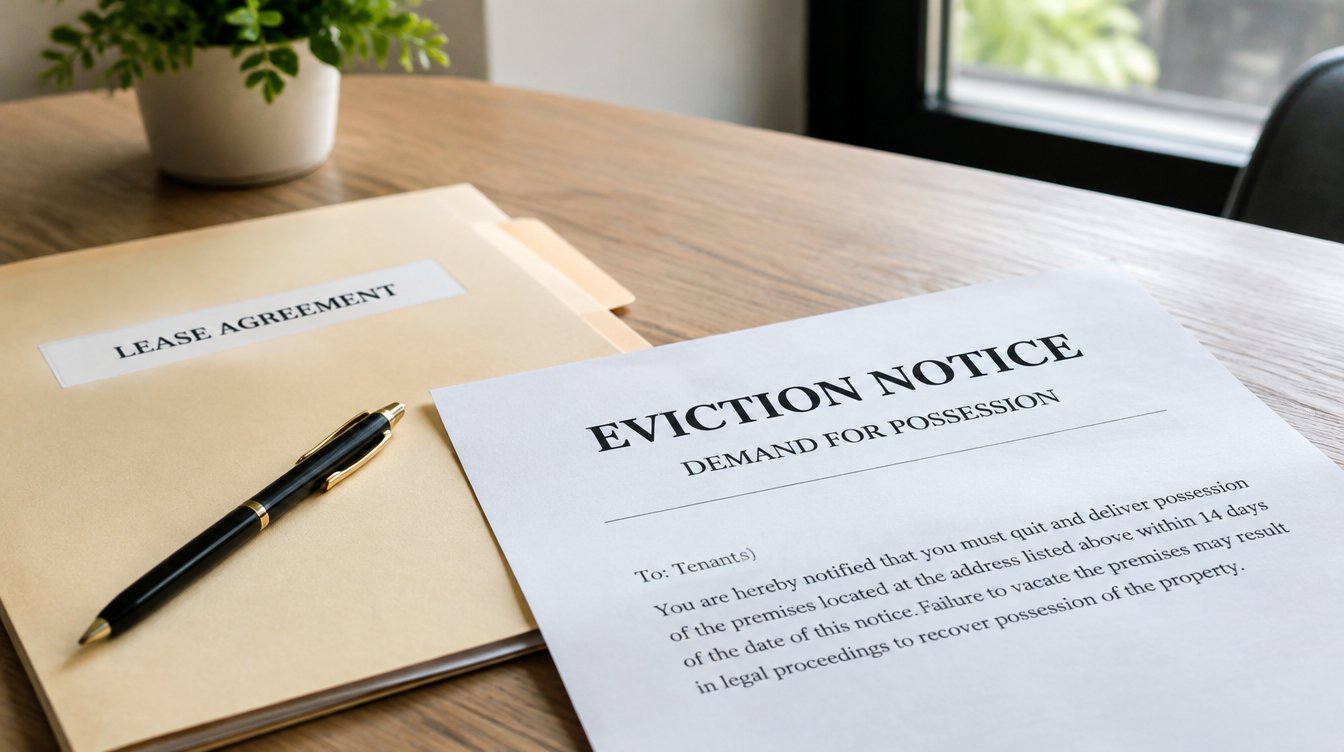
A pay or quit is a documented demand to pay rent or surrender possession. It is not a lock change. EvictIQ is not a law firm and does not provide legal advice. We prepare the notice against your lease and ledger, document delivery, and time the filing that follows.
Get the pay or quit drafted
Property, county, and whether any demand already went out.
What's included
- Pay-or-quit drafted against the current ledger and lease
- Amount claimed reconciled so the notice is not internally wrong
- Delivery documented for the later affidavit
- Calendar for when a dispossessory can be filed
- Handoff to pay-or-quit notice services when you want the catalog page
What's not
- Legal advice or representation
- A promise the tenant will pay
- A lockout or self-help move-out
EvictIQ is not a law firm and does not provide legal advice. A pay or quit is a demand — not a lockout authorization.
Pay or quit versus the lawsuit
People land here because they want the rent-specific notice. Georgia still requires a demand for possession before a dispossessory. We use pay-or-quit language when the lease and the facts support it. This page is that notice. The deeper service page is pay or quit notices.
When you need this
Use this when the tenant is behind on rent and you want a formal pay or quit before filing. Lease violations belong on cure-or-quit. Holdover belongs on notice to vacate.
The next step
Send the property, county, and current balance. We write the notice to the ledger, document how it went out, and tell you when filing can start. Do not attach tenant documents here.
Related on this site
Common questions
Does Georgia require the words pay or quit?
What Georgia requires before a dispossessory is a demand for possession. We use pay-or-quit language when the lease and the facts support it, and we keep a record either way.
Is a pay or quit enough to take the unit back?
No. A pay or quit is a demand. Possession still goes through a Georgia dispossessory, judgment, and a writ.
What we'll need eventually
- The signed lease and any addenda
- Your current ledger, reconciled
- Proof of the demand for possession, if made
- Anything already filed — case number, hearing date, judgment or writ
- Access details for the property
- A coordinator reviews it, usually the same business day.
- You get a written scope and price before anything is filed.
- Nothing starts until you approve it.
Start the Pay or Quit
Written scope and price before anything is filed. Nothing starts until you approve it.